Spring is the season of new beginnings. With a wide variety of flowers blooming around us, it’s a beautiful time of year, but it’s also a time when seasonal allergies flare up as plants release pollen into the air. Did you know that nearly 1 in 6 Americans are affected by seasonal allergies? Many of us are unable to enjoy springtime as it triggers sniffles, sneezing, and other cold-like symptoms.
Of course, we can’t eliminate pollen and other allergens from the outside world, but we can take precautions to keep our homes allergy friendly. Pollen, dust, and dust mites often find their way into our homes and trigger allergies. However, with these 5 cleaning essentials, you can bid goodbye to these irritants and create a safe space within your home.
1. Take off your shoes
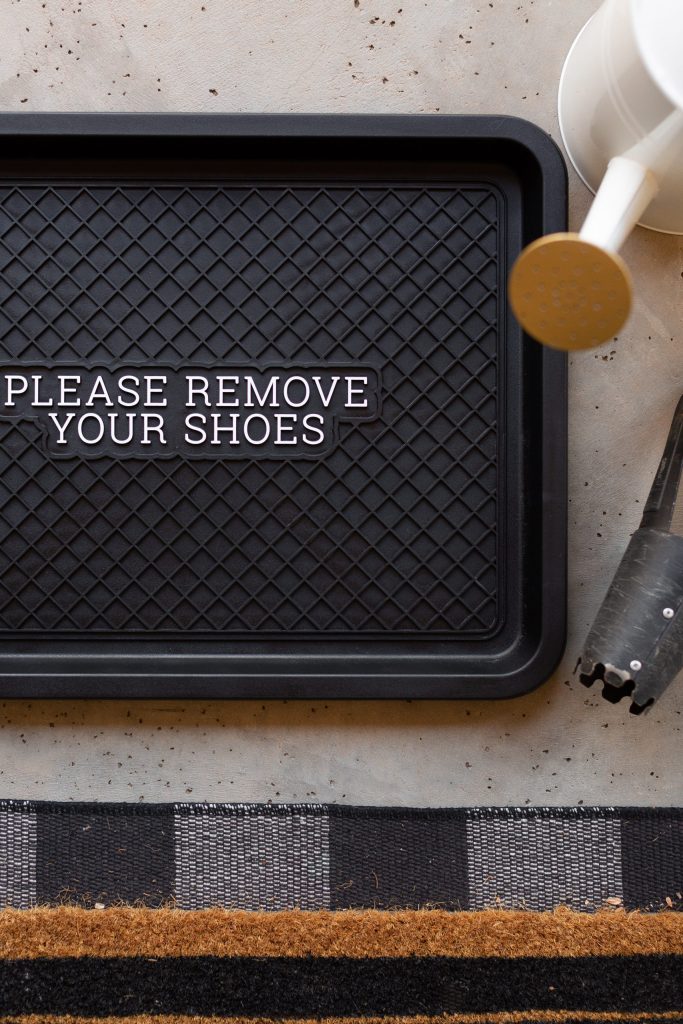
Pollen is one of the main culprits of allergies. As you go about your day outside, pollen and dust sticks to the bottom of your shoes. By taking your shoes off when you get home, you can prevent these allergens from spreading throughout your living space. Plus, shoes can also track dirt into the house and taking them off helps to keep your space clean.
Consider storing your shoes in a shoe rack beside the front door. If you don’t like walking barefoot around the house, you could get some cozy home slippers for yourself and your family members.
2. Wash your bedding
You must wash your bedding once a week in hot water to remove dust, dust mites and allergens. We spend up to one third of our days in bed, and it’s important to keep our sheets clean and allergen-free.
A few years ago, I read an article in the New York Times about dust mites, and I was shocked to learn that these microscopic creatures produce a potent allergen called DerP1 in their feces. Dust mites can trigger asthma-like symptoms, eczema, or sinus problems in certain people. Sleep is meant to rest your body and mind, but imagine going to bed just to wake up feeling sick!
The scary reality is, though our sheets look clean, they may be infested with these tiny creatures that aren’t visible to the human eye. The best way to tackle this problem is to regularly wash your bedding in hot water that’s at least 130 F. If you have children with allergies, it’s important to wash their stuffed animals as well.
3. Keep your shower clean
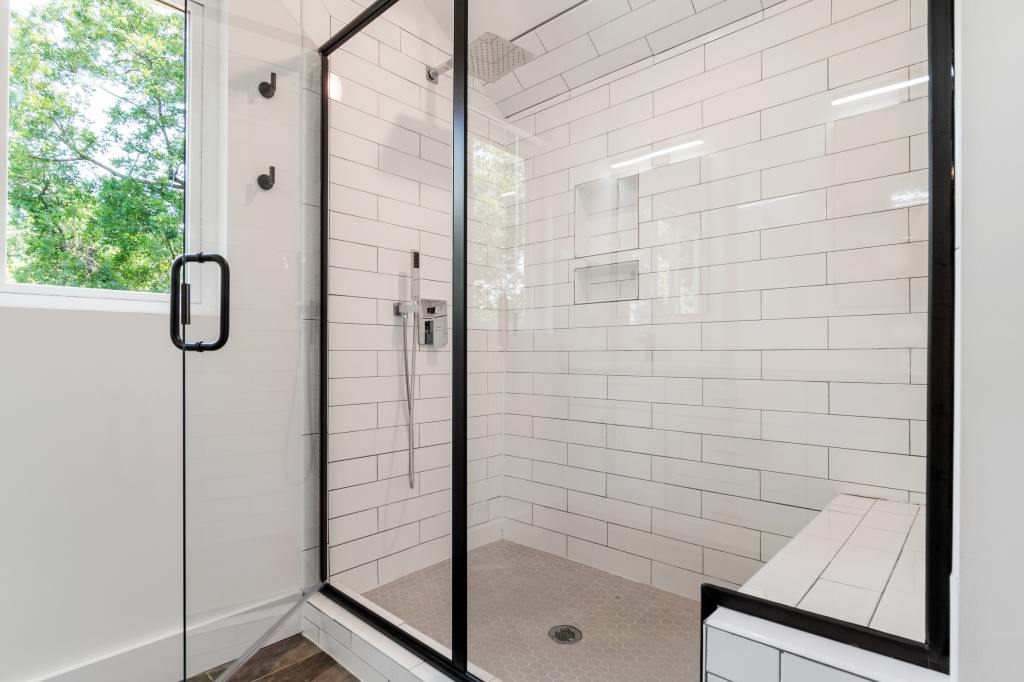
Mold and mildew love to hide in wet, damp and dirty areas. Your shower is the most susceptible place for this to happen. Mold releases spores into the air that when inhaled, can cause allergy symptoms. According to the Asthma and Allergy Foundation of America (AAFA), mold spores can also get into your lungs and trigger asthma.
To prevent the growth of mold, it’s important to scrub your sinks and tubs regularly. Also, don’t forget to clean the grout in your shower! A stiff-bristled brush, some vinegar, and baking soda are all you need to get the job done. Make a paste with baking soda and water, and apply it on the grout. Next, spray on a mixture of one part vinegar and one part warm water. The baking soda and vinegar mix will start to fizz. Once the fizzing stops, scrub with a brush.
Another one of my tips is to use a dish sponge holder like this and fill it with your favorite cleaning solution. You can scrub the shower down while you are showering and rinse before you get out.
4. Vacuum your mattress and behind your bed
This sounds crazy, but dust mites live in mattresses, and giving your mattress a good vacuuming before allergy season is a must, even if you have a dust mite cover. A thorough vacuuming can help rid your mattress of irritants such as mites, dead skin, food particles that attract insects, and any dirt that may have found its way onto your bed.
It might seem like a hassle, but this additional step ensures that you rest your head on a clean mattress every night and sleep soundly without pesky allergens triggering your allergies! While you’re at it, be sure to vacuum under and behind your bed as well. Dust tends to gather in these places, and it’s good to vacuum regularly to prevent the dust from accumulating.
5. Change your filters
You must change the filters on your AC and heating units, as well as your air purifiers. Air filters help to remove allergens such as pollen from the air and improve the air quality in your home. However, overloaded filters may not be very efficient. Thus, it’s important to periodically change your air filters, especially come allergy season.
Not all filters are the same, however. When purchasing your air filter, look out for the Minimum Efficient Reporting Value (MERV) rating. Basically, the higher the MERV rating for an air filter, the better it is at removing allergens or particles from the air. Do consult an expert before upgrading your filters to make sure that it’s compatible with your existing device or system.
***
These measures can make a huge difference during allergy season! With a few simple steps, you can create a living space that is both comfortable and kind to your allergies. Create a cleaning schedule that works for you and get started! An allergy friendly home is a just a few steps away. I’ll see you next month with more game-changing cleaning tips. Stay tuned!
Sending you squeeky clean thoughts,
Michelle M
 The Squeeky Clean Method