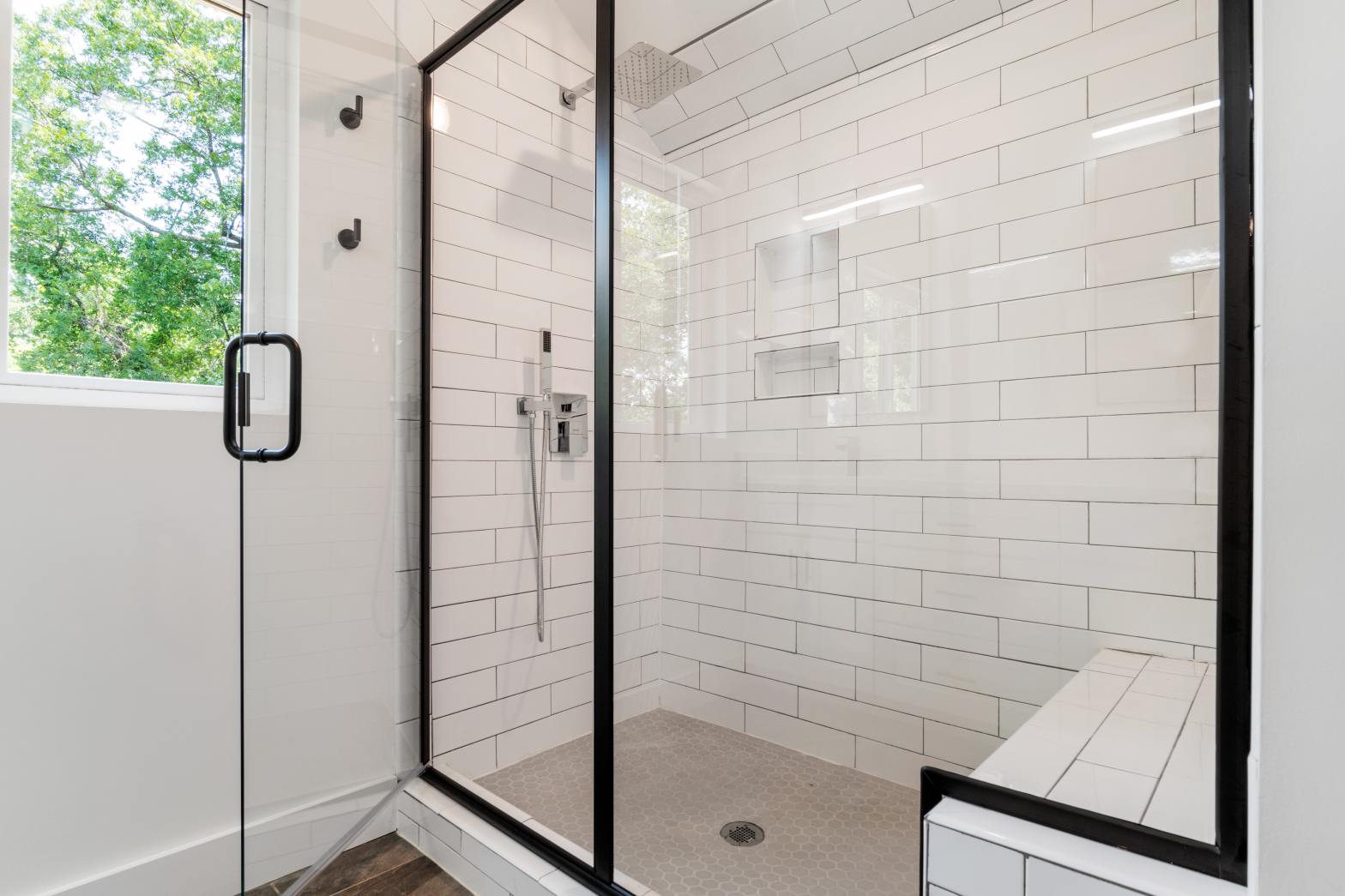
I’ve been in the cleaning business for close to 30 years now, and the dirtiest place in any home is almost always the bathtub and shower. It’s ironic that the place we go to get our bodies clean is the dirtiest place in the house. Why are showers the last thing to get cleaned?
Perhaps because we can close the shower curtain over it, or shut the bathroom door and use our powder room during the day. I know for me, even as a professional, I don’t have time to clean my showers the way I do my toilets and sinks (those get a scrub down at least 3 times a week).
Mold, mildew, and bacteria build up at an alarming rate, and not only does this look bad, it can also make us sick. According to the CDC website, there is evidence linking indoor exposure to mold with upper respiratory tract symptoms, coughing, and wheezing. Some studies even suggest that early exposure to mold could lead to development of asthma in some children. Thus, it’s important to take precautions to keep mold away.
There are things you can do to prevent mold and mildew build-up without needing to scrub your shower every day. I have a system that keeps my shower free from mold in between cleanings, which usually happen once or twice a month. Here are my top 7 tips for mold free showers:
1. Ventilation!
This is the most important way for keeping mold and mildew out of your shower in between cleanings. Leave your shower curtains and bathroom windows open after your shower to allow air to circulate and to get rid of excess moisture.
If your bathroom gets any sunlight, keep your blinds open during the day. Mold loves dark and moist places. Sunlight helps to dry things up naturally and keeps your space brightly lit, making your bathroom less susceptible to mold. If you have a vent or fan in your bathroom, keep it on for at least half an hour after your shower to further help with the drying process.
If you have a windowless bathroom, consider using a dehumidifier. This will help to remove excess moisture and keep your space dry.
2. Use a shower spray.
This really does work! I spray our shower curtain, our rubber mat, and all the tiles after I shower at night. I also lift the rubber mat and let it dry on the side of the tub. Remember, mold loves to hide in dark places like rubber mats and closed showers.
You can buy shower sprays at the store, or make a DIY spray with equal parts water and vinegar in a spray bottle. Add a few drops of lemon essential oil for a fresh, citrusy scent.
3. Be mindful of your shower products.
Water tends to accumulate under your shower products, encouraging mold to grow, so consider drying your products and the areas underneath regularly. Alternatively, you can keep your products on a wire shower rack to keep the air circulating and the bottom of your products dry.
4. Use Clorox Clean-Up or bleach on your caulk, grout, and tiles.
The rims of your tub are the place mold grows the fastest. Water tends to build up there and not run off, making it a prime spot for mold to grow. Spraying Clorox Clean-Up twice a month will keep the mold from building up. Make sure to crack the window open or leave your vent on while this dries, in addition to wearing a mask. You don’t need to stay in the bathroom and clean, just spray and walk away.
Another method you can try is to fill a container with ½ cup bleach and 3 cups hot water, pour it over the tiles, and let it sit for a few hours. You’ll be amazed at how well this removes mold without you needing to scrub it.
Please note that if you have a stone shower of any kind, you must use a product that is safe for stone. Avoid using Clorox or bleach. My go-to product for cleaning grout in stone showers is Goo Gone Grout & Tile Cleaner that is safe for stone and porcelain.
5. Wash your shower curtain.
Did you know that all kinds of bacteria and mold can grow on your shower curtains? Some can even cause body odor! The very place you go to get rid of BO could be contributing to it.
As such, it’s important to remove your shower curtain monthly and clean it in hot water and bleach. This can be done right in your washer machine. Do not put it in the dryer. Just hang it back up in the tub and let it air dry.
6. Re-caulk your shower.
Sometimes there is nothing you can do to get mold off your grout lines or caulk. When that happens, it’s time to re-caulk your shower. I do it once a year, because I know even though I can’t see the mold, it’s trapped behind the caulk.
Here’s a YouTube video that shows you how to do this, and here are some of the tools you’ll need:
It really is much easier than it sounds. The most difficult part is scraping and cleaning the surface before you reapply the caulk. Having the right tools can make this process easier and neater, so consider investing in a few of these tools.
7. Keep a lookout for any leaks and fix them immediately.
If your shower head is leaking, odds are your tub is usually wet, making it the perfect breeding ground for mold. Look out for any leaks and try to fix them immediately. Excess moisture in the bathroom is always dangerous!
Many of us have busy schedules, and trying to clean the shower thoroughly twice or thrice a month is just too much! But that doesn’t mean you have to suffer with mold in your bathroom. You deserve to get clean in a squeeky clean shower, so be sure to apply these 7 tried and true tips in between cleanings to prevent any mold build-up.
Sending you Squeeky clean thoughts,
Michelle M
 The Squeeky Clean Method