Happy New Year! Well, I know we are in the middle of February, but it’s my first time greeting ya’ll this year. I took a year-long hiatus to work on my new course entitled “Cleaning Hustle“- which is a course I designed to help other women start their own cleaning business. Starting a cleaning business has been so rewarding for me, and I am excited to teach others how to not only launch a business, but keep your profit high, expenses low, and retain your clients. These elements are so important and are all the keys to having a successful cleaning business, whether you keep it small or grow it as large as I have. This was such a labor of love for me, and I am so proud to be able to share it! You can check it out here if you are interested!
Anyway, back to my topic of dust. You aren’t going to like this post. The saying “Ignorance is bliss”, will totally make sense after you finish reading this. BUT learn you must!
We fail to realize the health consequences dust and mold have on our immune systems. The Journal of Environmental Science and Technology released a report about how harmful dust really is. ACS Publications also released a similar report on their findings which can be viewed for free on the ACS Publications website at pubs.acs.org. To sum it up, they sampled dust collected all across the states and found 45 harmful chemicals (what the??) that came out of the dust. Say that again to yourself, “chemicals came out of the dust” ..ewww. These chemicals, unfortunately, do not stay IN the dust, but rather come off of the dust and go straight into our bodies because they are so small. (I’m literally sneezing just writing this!). They are in the air we breathe, and the objects we touch.
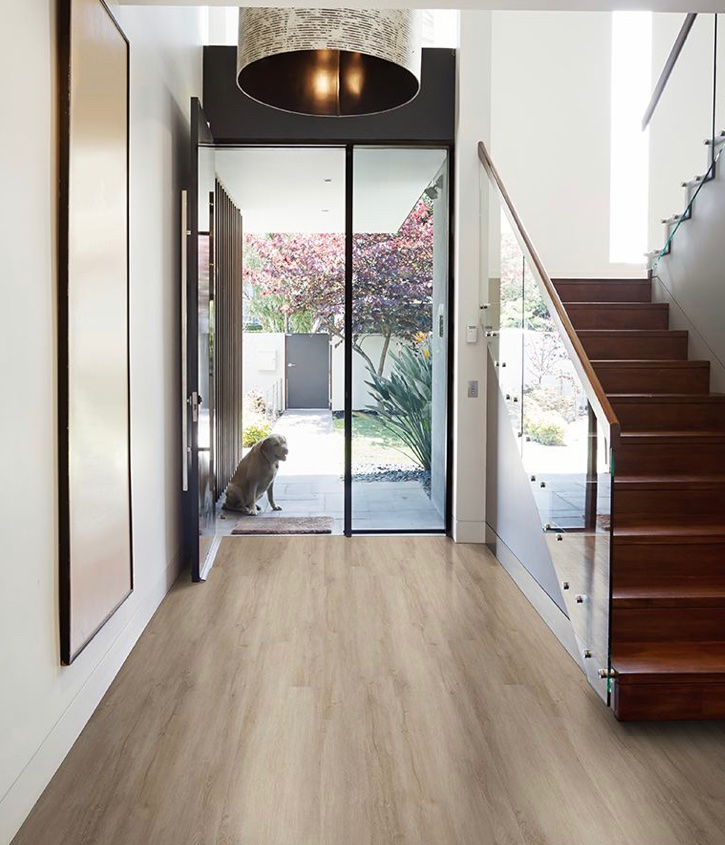
Phthalates, one of the worst contenders, are a class of chemicals commonly used to soften plastic. This represented the highest concentration of dust particles. These are found heavily in vinyl flooring, cosmetic products, and many things packaged in plastic, like baby wipes.
The second most dangerous chemical they found was flame retardants. These are used in baby products, furniture, and insulation to meet flammability standards. I’m sighing so loud as I write because there just has to be a better way. The odds of you catching on fire from a product MUST be lower than your odds of getting sick from these “protector chemicals”.
Because these two chemicals are in so many products, having them in your home releases dust and chemicals into your home, especially in the air you breathe.
The other effect of inhaling these chemicals is they lead to reproductive and endocrine toxicity. Endocrine toxicity, results when a chemical interferes with the synthesis, secretion, transport, metabolism, binding action, or elimination of hormones necessary for endocrine functions resulting in loss of normal tissue function, development, growth, or reproduction. *
Until we as a society can and will find a better way to make products, you need to get that crap out of your house... and fast. I’m not trying to scare you into cleaning (unless it’s working), but in full disclosure inhaling the chemical from dust is not the primary way these chemicals get into our system, but it is ONE of the ways. SO, you need a game plan to eliminate this dust from your house, that requires more than an air purifier…and that’s with cleaning.
“I don’t have time to dust!”. I hear it all the time. Make the time. You don’t have to do a full-on “Project 101 Detail Dust BootCamp” to keep your house dust “free”, or should I say “less dusty”.
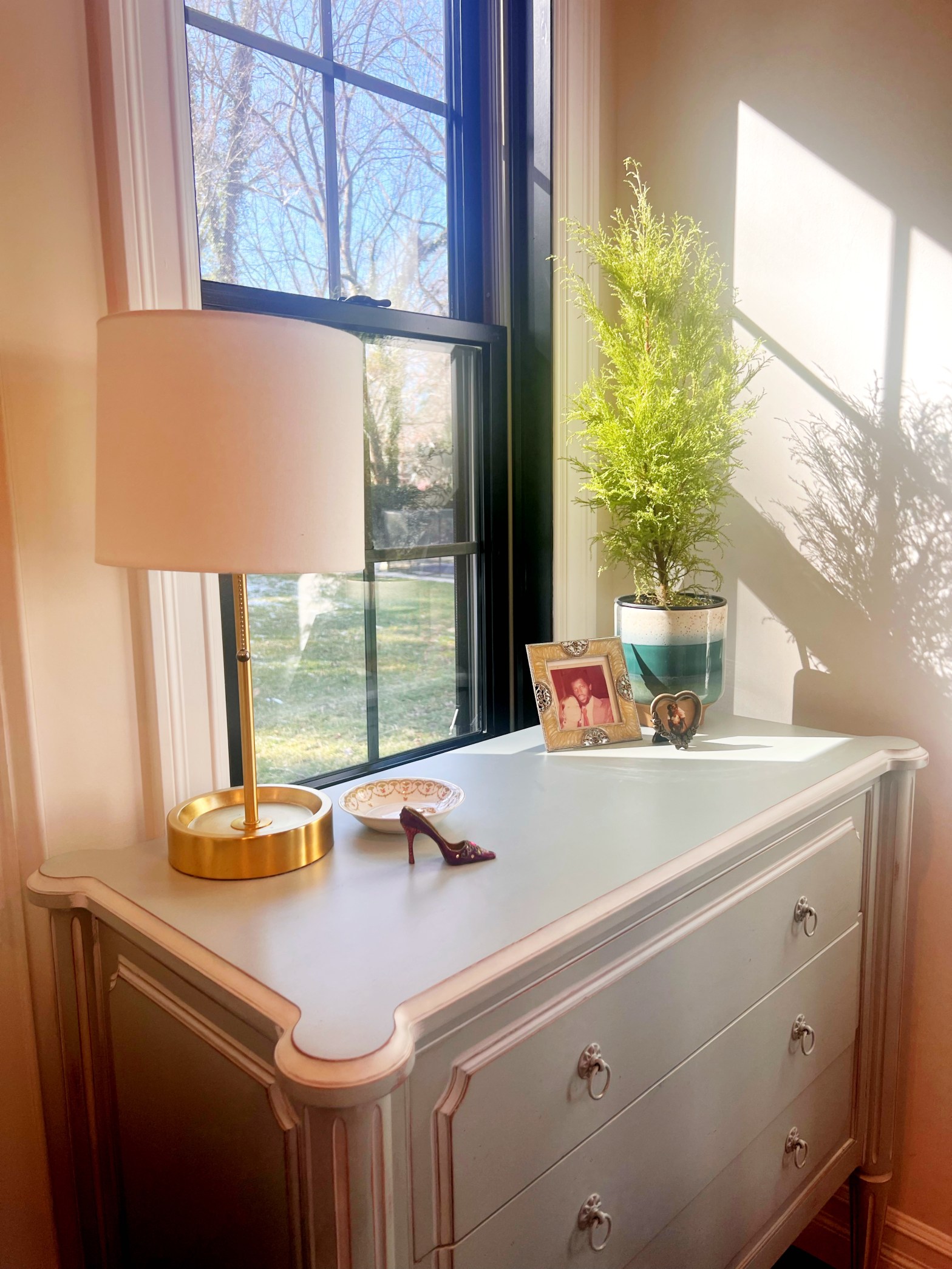
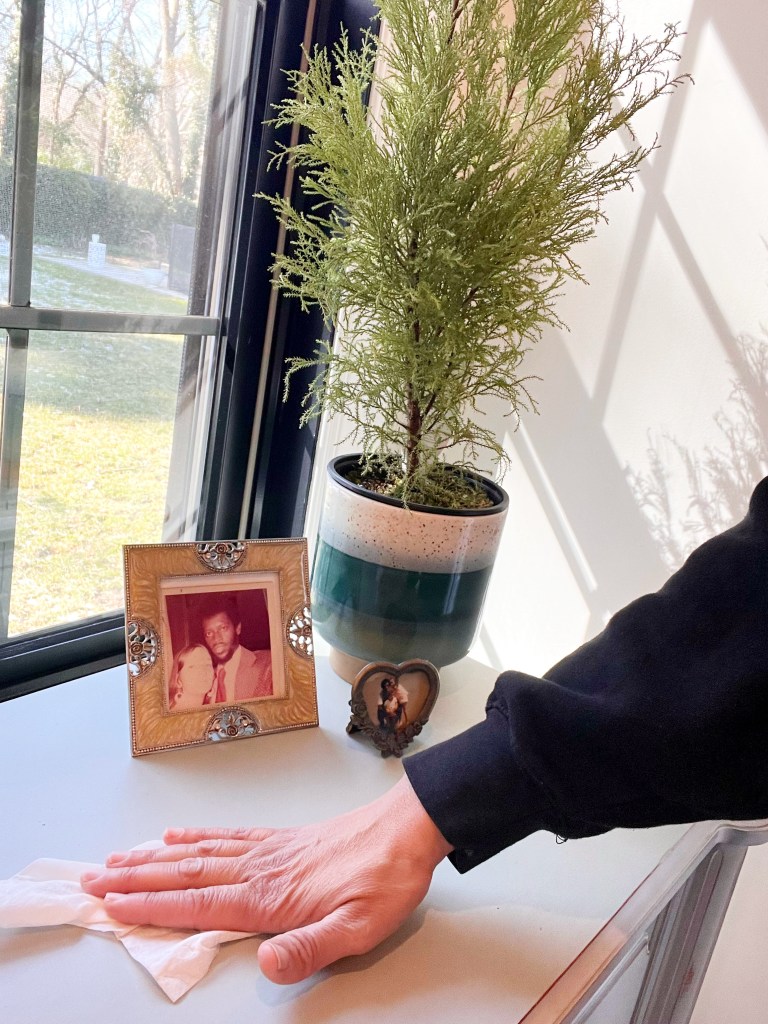
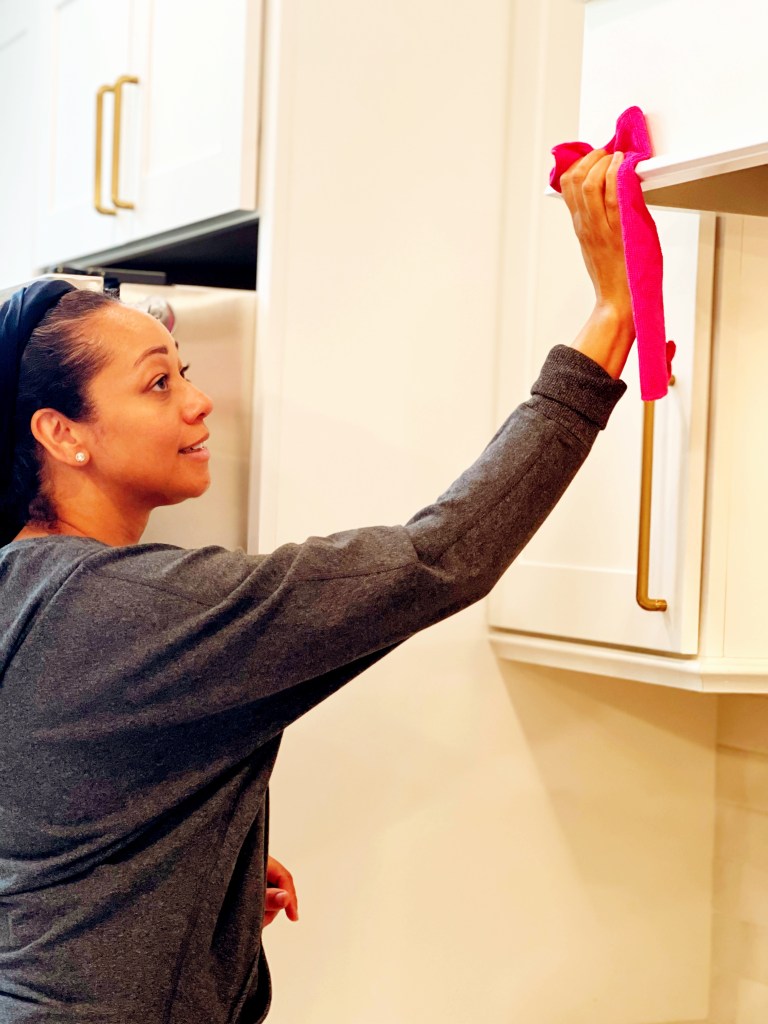
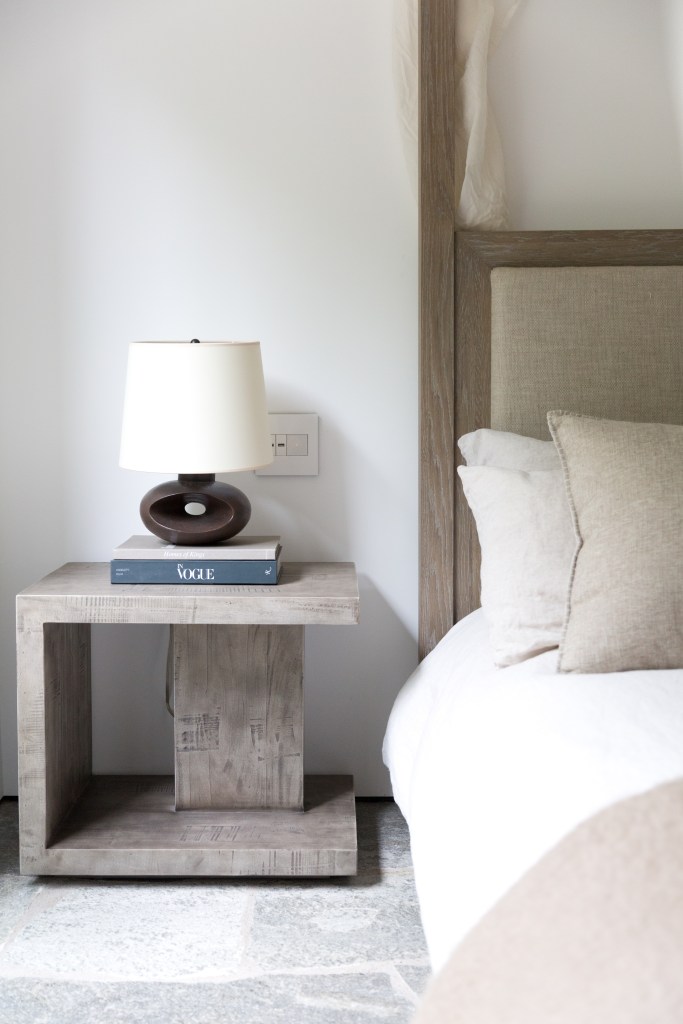
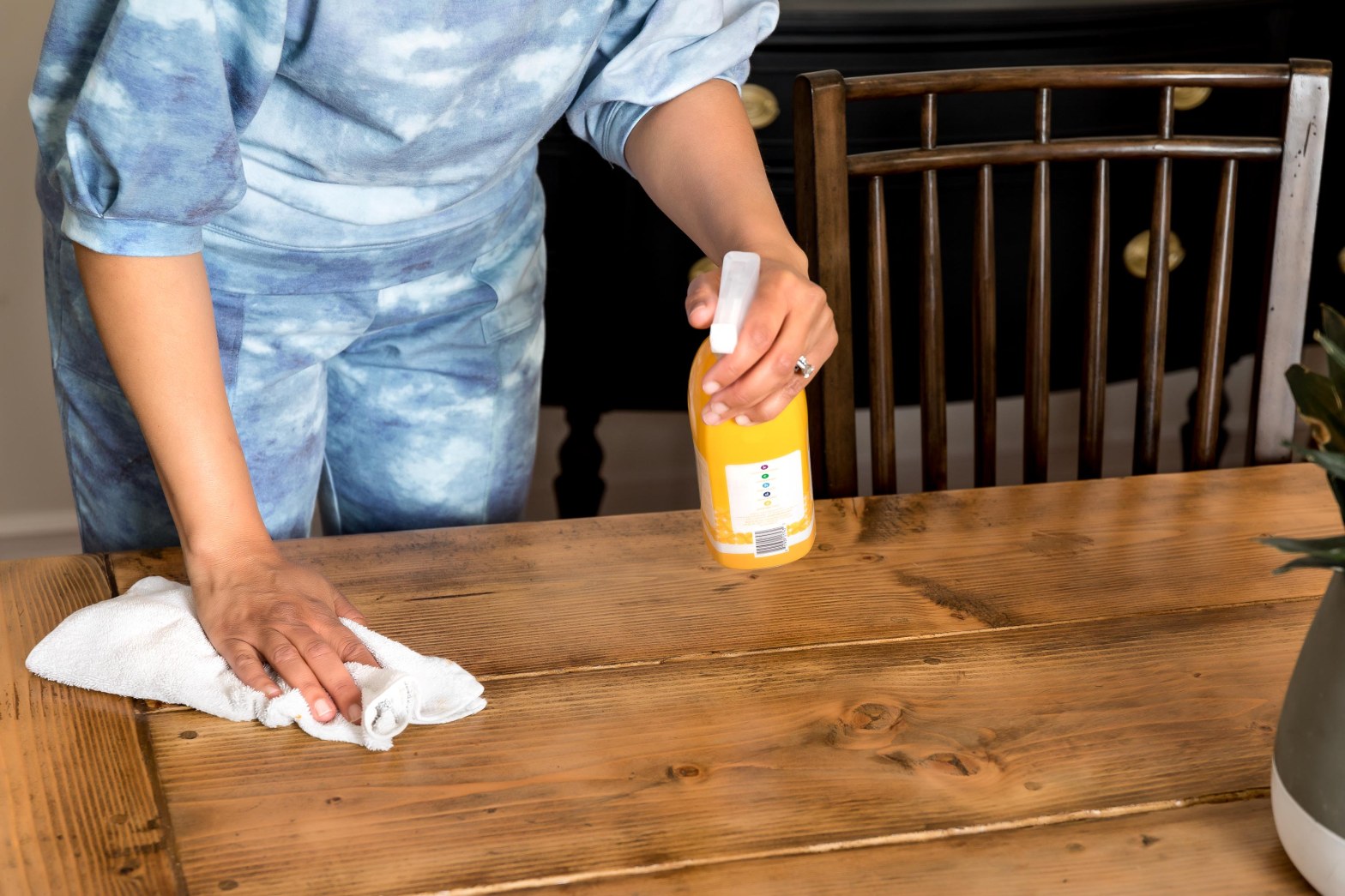
One way to start is by just grabbing a damp paper towel or cloth, and wiping the window sill, the tops of dressers, the nightstand, the coffee table, etc. I’m talking about a 10-second wipe-down a few times a day throughout your house or apartment. I have black windows, and I can see so much dust in them. I swear I wipe them daily, and you would still never know I clean them at all.
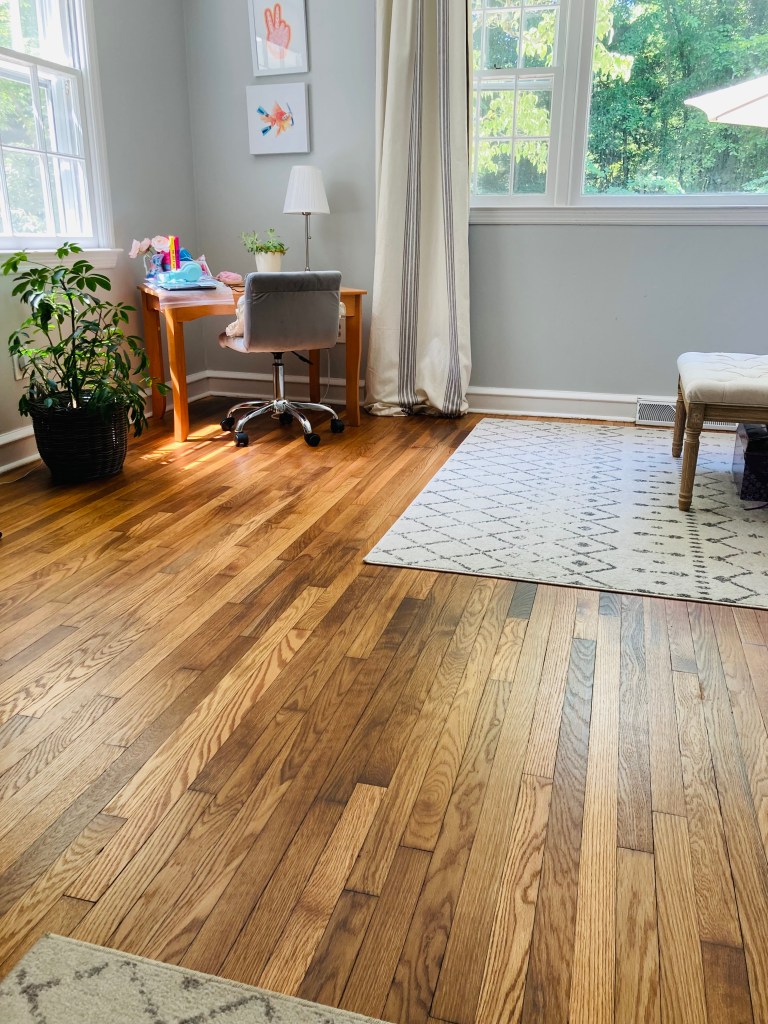
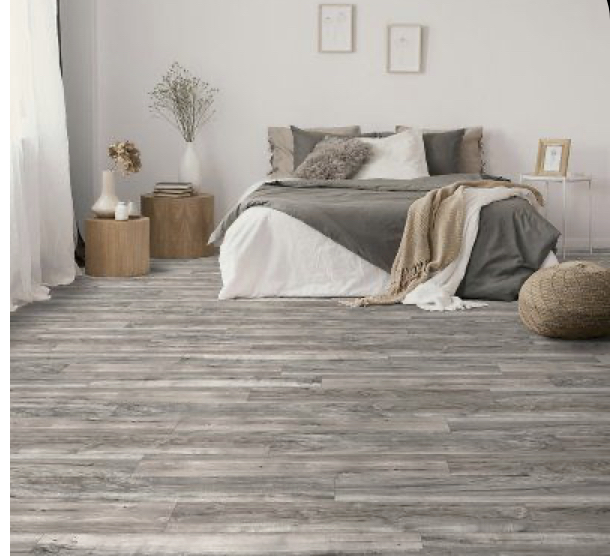
Another quick way to keep your hardwood floors dust-free is to take a slightly damp cloth with water (like a teaspoon of water on it, not much more) on the bottom of your floor cleaning stick (whatever that may be) and run it along your hardwood floors in between cleanings like shown below. The damp cloth method I do in between cleanings traps the dust onto the cloth and removes it from the floors. I either shake it outside or rinse it slightly to clean a large area. Sometimes a few rags may be necessary. You don’t want to wet the rag too much, bc then you may drag dirt around and leave streaks on your floors. You do not need to sweep or vacuum when you do this, because the goal is to remove dust, not dirt and stains. You can save that type of cleaning for your full floor cleaning days when you vacuum, sweep, and mop.
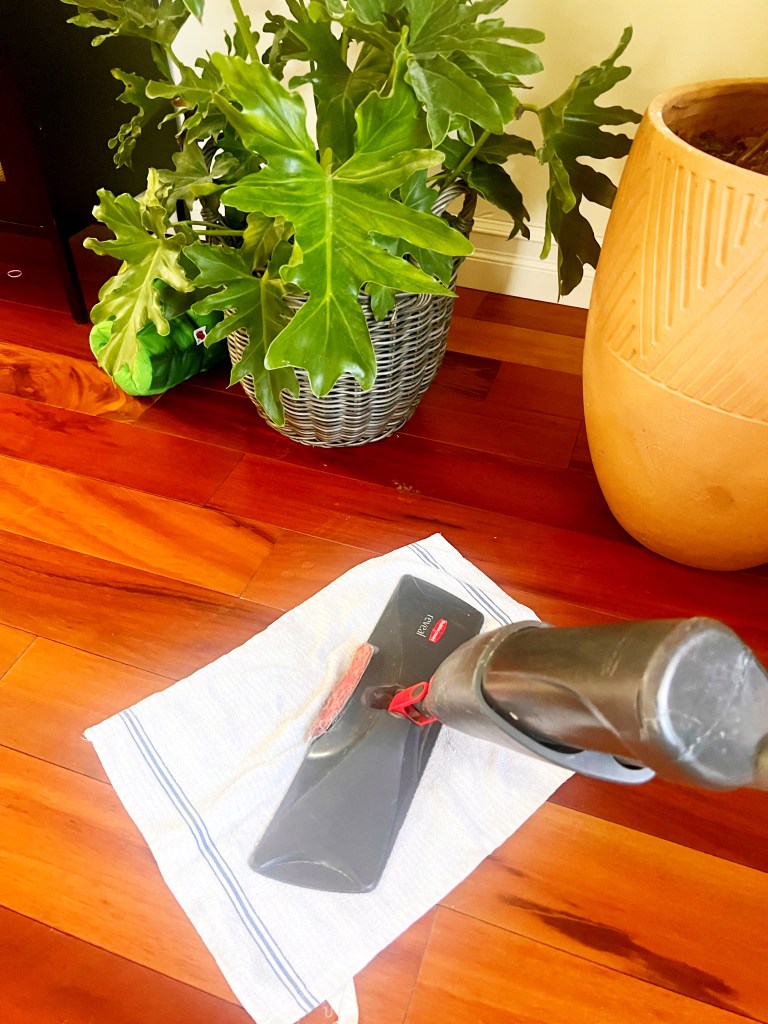
Make sure your dirty rags get washed in hot water in the washer matching, and put in the dryer when you are finished.
Around 4:00pm, my house gets the “magic hour” sunlight, and boy can I see ALL the dust floating around on the floors. You have no idea how much dust is trapped in your house until you can see the sun directly shining a light on it. Just because your floors hide the look of dust, does not mean the dust is not there. If you really want to know how dusty your house gets, look at it when the sun is shining through your windows. That will give you a good idea of how dusty it is, and how often you need to keep up with it.
Another important area you want to keep clean is your sheets. Sheets, and kids’ stuffed animals (if they have allergies), should be cleaned once a week in hot water.
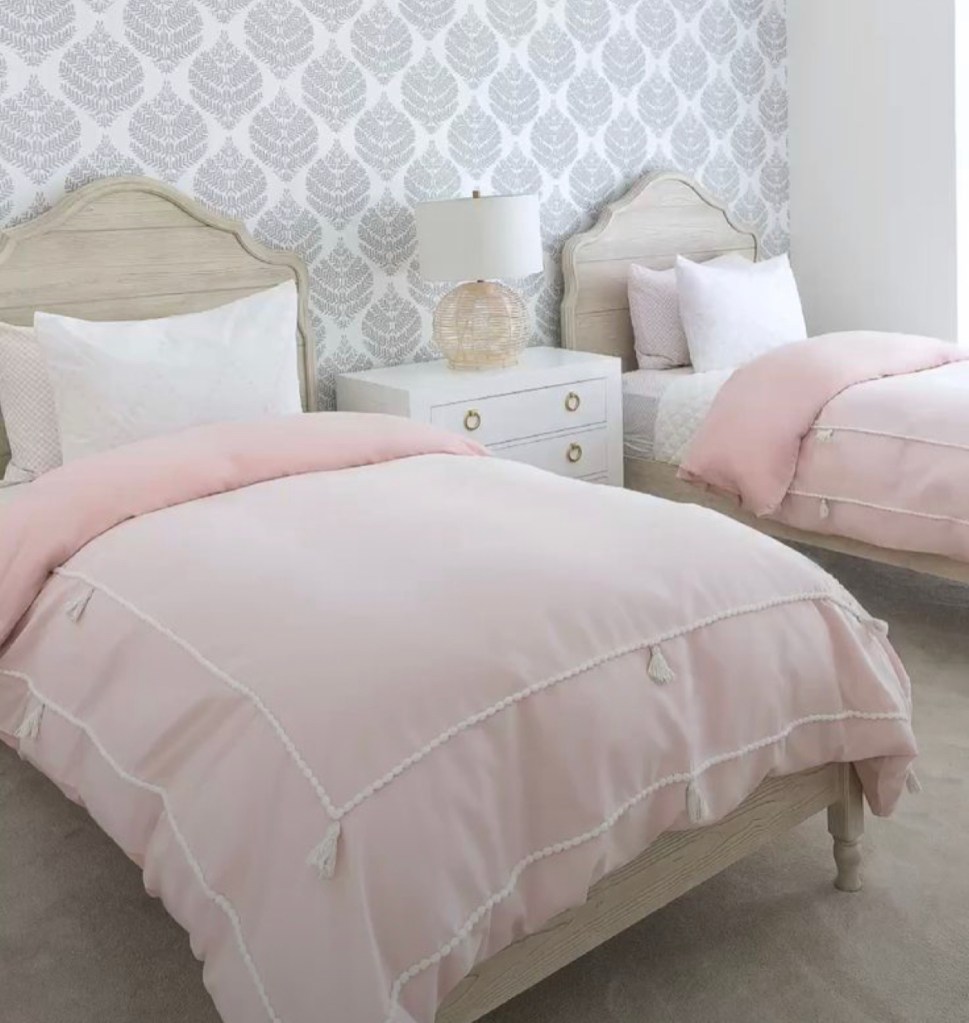
As we sleep at night, our skin sheds, which then allows dust mites to feed on our skin, and grow stronger….this is one fact I wish I never knew. This is the main reason our household showers before bed, and not in the morning.
But the best way to get rid of these little buggers, as well as dust in your bedding is by washing them in hot water above 135 degrees once a week. I decided to wash the sheets the same day each week so I don’t lose track of when they were done last. This helps me immensely because laundry is hard to keep track of. I wish I could take my vitamins the same day once a week, I would never forget them….I digress
The last area that can help keep the dust levels at your house is to remember to change your filter! Once a month is best, in my opinion. I know it’s excessive, but dust is excessive. This is especially true if you have allergies. And also don’t forget to get your vents cleaned once a year by a professional. They remove the dust and dirt you can’t reach in your HVAC pipes because not all of it can get trapped by the filter.
It may be surprising to you that I am not mentioning getting a good air purifier. While these do work, and I have them in my kid’s bedrooms, I have found that they do not keep the dust at bay as I had hoped they would. They definitely clean the air, and I notice a huge difference when we forget to turn them on in the kid’s rooms at night, but I have not found the dust levels in our house lower that much.
So do I recommend them for keeping the air clean? Absolutely. But do I think they keep dust away..not so much. It is still important to manually remove the dust yourself.
There are many more areas you need to clean to ensure you have removed the dust from your home, but the purpose of this post was to give you quick tips between your full cleaning to help keep the dust away.
I will do another post soon on the areas that need deep cleaning as part of your spring cleaning routine.
For now, I think I have successfully grossed you out and hopefully made you more mindful about keeping the dust to as low a level as possible.
Until then, stay Squeeky!
Michelle M
*Andrew Walder, Progression in Molecular Biology and Translational Science









 The Squeeky Clean Method